How often to replace makeup brushes is one of those questions most people never think to ask until something goes wrong. Maybe your foundation looks streaky no matter what you do. Maybe your blending brush has started to feel scratchy against your skin. Maybe you just realized you have been using the same set of brushes for three years and have no idea if that is fine or a problem.
This guide covers everything you need to know, including:
By the end, you will have a clear picture of what is worth keeping, what needs to go, and how to make every brush in your collection last as long as possible.
It is easy to assume that a brush is a brush as long as it still holds its shape and has bristles. But the condition of your brushes affects your makeup in ways that are easy to overlook until you know what to look for.
A worn brush does not pick up or distribute product the way it is supposed to. Bristles that have lost their shape or softness apply product unevenly, which leads to streaky foundation, patchy eyeshadow, and blush that looks blotchy instead of blended. No amount of technique fixes a tool that is past its prime.
There is also a skin health side to this. Brushes collect bacteria, dead skin cells, and old product over time. Even with regular washing, bristles that are damaged or fraying hold onto buildup in ways that clean, intact bristles do not. Using those brushes repeatedly transfers that buildup back onto your skin, which can contribute to clogged pores and breakouts, especially around the cheeks and chin where face brushes make the most contact.
Replacing brushes on a reasonable schedule is not about being wasteful. It is about making sure the tools you use every day are actually doing their job.
Not all brushes wear at the same rate. How often a brush needs replacing depends on how frequently it is used, how it is cleaned, and what it is used for. Here is a general breakdown by category.
Foundation and concealer brushes are among the hardest-working tools in your kit. They come into contact with liquid and cream products that break down bristles faster than powder. With regular cleaning, a good foundation brush should last one to two years. If you use it daily, lean toward the shorter end of that range.
Powder, blush, and bronzer brushes have an easier life than face brushes because powder products are less corrosive to bristles. A well-maintained powder brush can last two to three years, sometimes longer if it is a high-quality brush that gets washed and stored properly.
Eyeshadow and blending brushes are used frequently and in small, repetitive motions that put stress on the bristles and ferrule, which is the metal band that holds the bristles in place. Plan on replacing these every one to two years depending on how often you reach for them.
Eyeliner and detail brushes are small and precise, which means wear shows up quickly. The fine tip that makes them useful is also what gets damaged first. Replace these every six to twelve months if you use them regularly.
Lip brushes fall somewhere in the middle. They are exposed to product consistently but are usually smaller and used with less pressure. Every one to two years is a reasonable replacement window for a regularly used lip brush.
Replacement timelines are a useful starting point, but the real test is what your brushes actually look and feel like. Here are the specific signs to watch for.
Shedding bristles. A brush that loses a few bristles during the first few washes is not unusual. A brush that consistently sheds bristles during use or washing has a structural problem that will not improve over time.
Splaying that does not bounce back. Healthy bristles return to their original shape after use. If your brush fans out during application and stays that way no matter how many times you wash and reshape it, the bristles have lost their elasticity and the brush has lost its effectiveness.
Rough or scratchy texture. Brushes should feel soft against your skin. A brush that has become rough or abrasive can cause irritation, especially around the delicate eye area. This kind of texture change usually means the bristles have been damaged by harsh soaps, improper drying, or just years of regular use.
Persistent odor. A clean brush should smell like nothing. If your brush still has an off smell after a thorough wash and complete dry, bacteria has taken hold inside the ferrule or at the base of the bristles where water and product accumulate. That is not something washing can fully fix.
Staining that does not wash out. Some light discoloration in older brushes is normal and harmless. But a brush that stays visibly dark or stained after cleaning is holding onto product residue that affects both hygiene and performance.
There is a direct relationship between how well you clean your brushes and how long they last. Brushes that are washed regularly, dried correctly, and stored properly outlast neglected brushes by a significant margin.
The damage usually comes from a few specific sources. Leaving product buildup in the bristles softens and weakens them over time, especially with liquid and cream formulas that do not dry out the way powder products do. Harsh soaps strip the bristles of their natural or synthetic coating, making them brittle and prone to shedding. And improper drying, particularly storing brushes upright while wet, allows water to seep into the ferrule, loosening the glue that holds the bristles in place and eventually causing them to shed or fall out in clumps.
The fix is simple but consistent: wash brushes with a gentle cleanser, reshape the bristles while damp, and lay them flat or hang them bristle-side down to dry completely before storing. Those three habits alone can add months or even a full year to the life of a quality brush.
The bristle material in your brushes affects both how they perform and how long they hold up under regular use.
Natural hair brushes, made from materials like squirrel, goat, or sable, are traditionally prized for their softness and ability to pick up and blend powder products. They can last a long time with careful maintenance, but they are also more vulnerable to damage from water, heat, and harsh cleansers. They require gentler care and more patience during drying.
Synthetic brushes, made from nylon or other man-made fibers, are generally more durable and easier to maintain. They hold up better under frequent washing, work well with both liquid and powder products, and are less prone to shedding. For everyday use, especially if you are someone who washes your brushes consistently, a good set of synthetic brushes will often outlast natural hair brushes simply because they can handle more without showing wear.
If durability and low-maintenance care are priorities, synthetic brushes are the practical choice. If you primarily use powder products and are willing to invest in careful upkeep, natural hair brushes can be worth it for certain applications like powder blending and setting.
Getting the most out of your brushes before replacement comes down to a handful of consistent habits.
Wash with a gentle cleanser. Baby shampoo, brush-specific cleansers, and mild liquid soaps are all safe options. Avoid dish soap for regular use and stay away from anything with alcohol, which dries out and weakens bristles over time.
Reshape bristles while damp. After washing, use your fingers to gently press the bristles back into their original shape before laying the brush flat to dry. This small step prevents the permanent splaying that makes brushes less effective.
Dry flat or bristle-side down. Never store wet brushes upright in a cup. Water runs down into the ferrule and loosens the adhesive that holds everything together. A brush roll, a towel laid flat on the counter, or a brush drying rack with the bristles facing down are all better options.
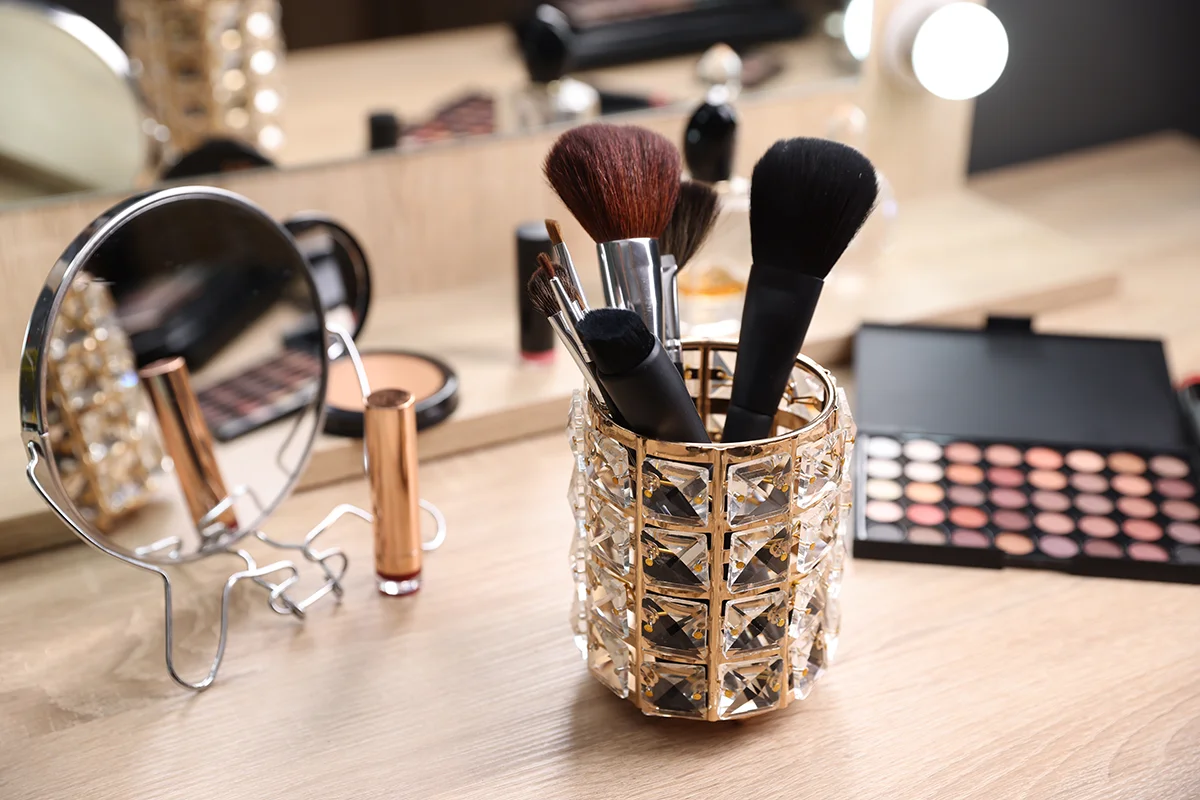
Store brushes properly when dry. A brush roll, a dedicated brush holder, or a case with individual slots keeps bristles from getting bent or crushed between uses. Tossing brushes loose into a makeup bag is one of the fastest ways to damage the shape of the bristles.
Handle the ferrule carefully. The metal band between the handle and the bristles is the most structurally vulnerable part of the brush. Avoid squeezing it during washing or gripping it tightly during application. Pressure on the ferrule loosens the bristles over time.
Not every brush that is underperforming needs to be thrown away. Sometimes what looks like wear is actually just buildup, and a thorough deep clean is all it takes to get it back to full function.
A brush is a candidate for deep cleaning rather than replacement if the bristles are still soft and intact, the shape returns to normal after washing, there is no shedding, and the ferrule feels secure. Heavy staining, stiffness, or a slightly off smell can all be resolved with a proper wash using a brush cleanser or gentle shampoo, followed by complete drying before the next use.
A brush needs to be replaced if the bristles are shedding consistently, the shape does not recover after washing and reshaping, the texture has become rough or scratchy, the smell persists after a clean dry, or the ferrule is loose. Those are structural issues that no amount of cleaning will fix.
When in doubt, wash the brush first and evaluate it again once it is fully dry. A surprising number of brushes that seem like they need replacing just need a deep clean and a chance to recover.
Tracking brush replacement does not need to be complicated. A simple system is one you will actually use.
One approach is to write the purchase date on a small piece of tape on the handle of each brush when you buy it. That way you always know exactly how old each brush is without trying to remember.
Another option is to do a brush audit twice a year, perhaps at the start of spring and fall, when you are likely doing a general makeup refresh anyway. Go through each brush, check it against the signs of wear covered earlier, and replace anything that does not pass.
Here is a general replacement calendar to use as a reference:
Every 6 to 12 months: Detail and eyeliner brushes used regularly
Every 1 to 2 years: Foundation, concealer, eyeshadow, blending, and lip brushes used regularly
Every 2 to 3 years: Powder, blush, and bronzer brushes used regularly and maintained well
These are guidelines, not hard rules. A brush used daily will wear faster than one used twice a week. A brush that gets washed consistently will outlast one that rarely gets cleaned. Use these timelines as a starting point and let the condition of the brush be your final guide.
Knowing how often to replace makeup brushes comes down to understanding your tools, paying attention to how they feel and perform, and building a few simple habits that keep them in good shape for as long as possible. Replacement timelines vary by brush type and use, regular cleaning extends lifespan significantly, and the signs of wear are easy to spot once you know what to look for.
A well-maintained brush collection does not have to be expensive or complicated to manage. It just requires a little attention and a willingness to let go of tools that have done their job.
Ready to sharpen your makeup skills even further? Explore the makeup and hair classes in Columbus, Ohio at 614 Beauty and learn hands-on techniques from professional instructors in a supportive, beginner-friendly environment.