Beauty blender vs brush for foundation is one of those debates that comes up constantly in the makeup world, and for good reason. Both tools can give you a flawless finish, but they work differently, suit different skin types, and produce different results. Choosing the wrong one for your routine can mean streaky coverage, a finish that does not last, or a technique that takes twice as long as it should.
This guide covers everything you need to make the right call, including:
By the end, you will have a clear, personalized answer based on your skin, your goals, and your routine.
Before comparing results, it helps to understand what is actually happening when you use each tool.
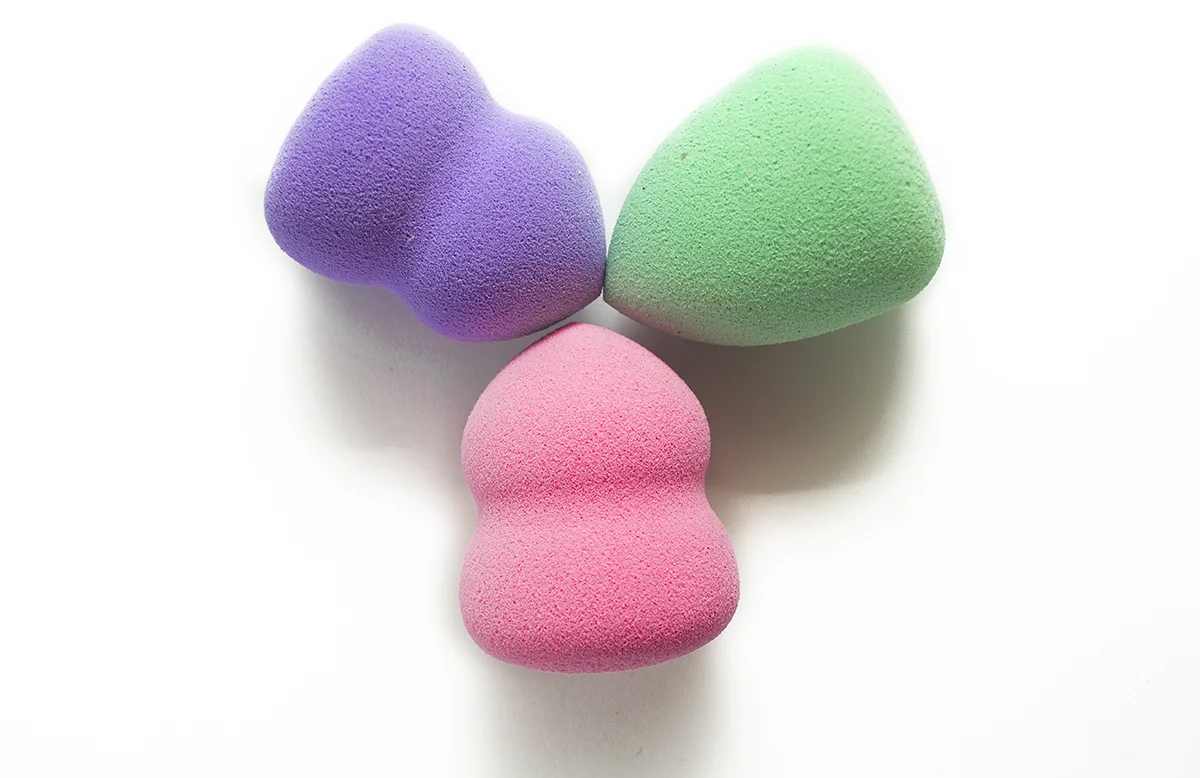
A beauty blender is a soft foam sponge, typically egg-shaped, that is designed to be used damp. When wet, it expands and becomes much softer, which allows it to press and stipple foundation into the skin rather than dragging it across the surface. The bouncing motion used with a beauty blender pushes product into pores and texture rather than sitting on top of them, which is a big part of why it creates such a skin-like finish.
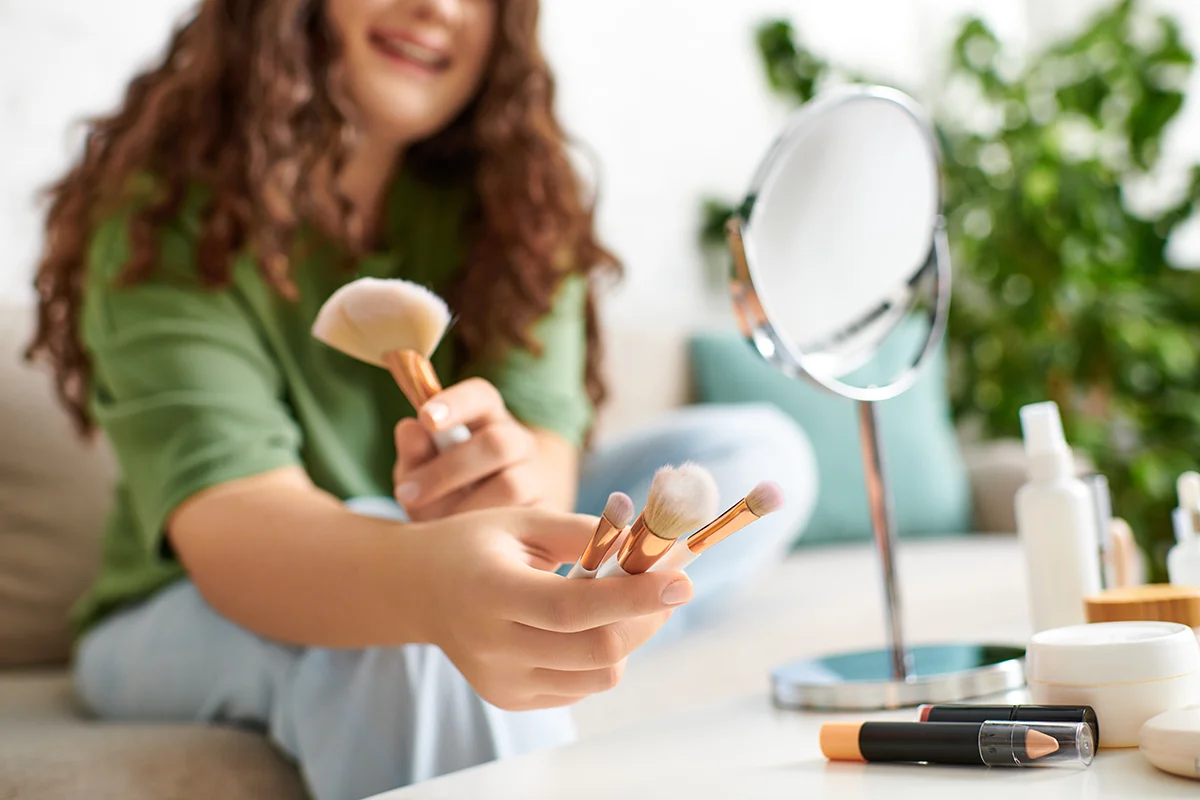
A foundation brush works differently. The bristles pick up product and deposit it onto the skin, either through buffing motions in small circles or sweeping strokes depending on the brush style. A flat foundation brush lays product on in thin, even layers. A buffing or stippling brush blends as it applies. In both cases, the bristles are doing the distributing work rather than pressing the product in the way a sponge does.
These two different mechanics are what drive every other difference in this comparison.
The most noticeable difference between the two tools is the finish they leave behind.
A beauty blender produces what most people describe as a skin-like or second-skin finish. Because the sponge presses product into the skin rather than layering it on top, foundation applied with a beauty blender tends to look like it is coming from within rather than sitting on the surface. It diffuses edges, softens texture, and gives a natural, slightly blurred result that photographs beautifully and looks seamless in person.
A brush gives you more of a polished finish. Depending on the brush type and technique, you can achieve anything from a light, airbrushed result with a buffing brush to a more defined, full-coverage look with a flat kabuki or paddle brush. Brushes are better at building coverage in specific areas and creating a more structured finish overall.
If you are going for a natural, everyday look or want your skin to look real and lived-in, the beauty blender has an edge. If you prefer a more refined, full-coverage result or like to have more control over where coverage goes, a brush is the stronger choice.
Skin type is one of the most practical factors to consider when choosing between these two tools.
Oily skin tends to do better with a brush, particularly a flat or buffing brush used with a matte or oil-control foundation. Brushes do not add any extra moisture to the skin the way a damp sponge does, which can be a real advantage for skin that already produces excess oil. That said, a well-wrung beauty blender with a mattifying foundation can also work well if you prefer the finish it creates.
Dry skin is where the beauty blender really shines. The damp sponge adds a slight boost of hydration to the skin during application, which helps foundation blend more evenly and prevents it from clinging to dry patches or flaking. A brush on dry skin, especially with a thicker formula, can sometimes emphasize texture rather than smooth it out.
Combination skin can go either way. Many people with combination skin find that using a brush on the T-zone and a beauty blender on the drier cheek areas gives them the best of both tools.
Textured or acne-prone skin tends to benefit from a beauty blender because the pressing motion pushes foundation into uneven areas rather than dragging across them. Dragging with a brush over textured skin can sometimes emphasize the texture rather than minimize it.
Mature skin with fine lines usually does better with a beauty blender. The gentle pressing motion is less likely to settle product into lines, whereas brushing motions can sometimes push foundation into creases.
If you care about controlling exactly how much coverage you get and where, this is an important distinction.
A brush gives you more precision and buildability. You can apply a thin layer in one pass and then go back to specific areas, like around the nose, under the eyes, or over blemishes, and add more coverage without disturbing what is already there. This level of control is useful for anyone who wants heavier coverage in some areas and lighter coverage in others.
A beauty blender is less precise but more forgiving. It blends everything out evenly as you go, which means you are less likely to end up with obvious brush strokes or uneven patches. The tradeoff is that building up coverage in targeted spots can take more passes and more product.
For light, everyday coverage where you just want to even out your skin tone, the beauty blender is fast and effortless. For full-coverage looks or situations where you need to conceal specific areas precisely, a brush puts you more in control.
The formula of your foundation matters more than most people realize when it comes to tool selection.
Liquid foundation works well with both tools. Lightweight, buildable liquids blend beautifully with a beauty blender and give a natural finish. Thicker, higher-coverage liquids can be applied with either tool, though a brush makes it easier to build and control placement.
Cream foundation is generally better suited to a brush, particularly a flat or paddle brush that can press and blend the denser texture without diluting it the way a wet sponge might. That said, a lightly damp beauty blender can work with cream formulas if you work quickly before the product sets.
Stick foundation can go either way. A brush helps blend the product out from where the stick deposits it. A beauty blender works well for pressing it in and creating a more natural finish once the initial application is done.
Powder foundation is almost always better with a brush. A powder brush or buffing brush distributes loose or pressed powder evenly without the absorption issue that comes with a sponge, which can soak up loose powder rather than depositing it onto the skin.
If you are newer to makeup or just want to spend less time on your foundation, this matters.
The beauty blender has a much gentler learning curve. The bouncing technique is simple to pick up, and the sponge is forgiving enough that minor mistakes tend to blend themselves out. It is also harder to over-apply with a beauty blender because the sponge absorbs some product, which naturally limits how much ends up on your face.
Brushes take more practice. Getting a seamless finish with a brush requires understanding which brush to use, which direction to blend, how much pressure to apply, and how to avoid visible brush strokes. Flat brushes in particular can leave lines and streaks if the technique is off. Buffing and stippling brushes are more beginner-friendly within the brush category, but they still require more intentional technique than a sponge.
For beginners, a beauty blender is the easier starting point. As your skills develop and you get more comfortable with makeup application, experimenting with different brushes becomes more intuitive.
The upfront cost of each tool is just one part of the equation. How much time and money each tool requires over the long run is worth factoring in.
A beauty blender needs to be washed after every single use. Because the sponge is porous and damp after application, it is a fast environment for bacteria to grow if it is not cleaned regularly. A beauty blender used daily should be replaced every one to three months, which means ongoing repurchase costs. The original Beauty Blender retails around $20, though affordable alternatives are widely available for a few dollars.
Brushes require less frequent washing, though foundation brushes ideally get a full clean at least once a week. A good quality brush, when properly maintained, can last anywhere from one to three years before needing replacement. The higher upfront cost of a quality brush often balances out over time because of how much longer it lasts compared to a sponge.
From a hygiene standpoint, brushes are generally easier to keep clean between deep washes because they do not retain moisture. A beauty blender that is not fully dried after washing can develop mold or mildew inside the foam, which is a common problem when sponges are stored in closed containers while still damp.
Both tools require consistent care to perform well and stay sanitary. If you are someone who tends to skip cleaning your tools, a brush may be the more practical long-term choice.
You do not have to choose just one. Many makeup artists and experienced users combine both tools to take advantage of what each one does best.
The most popular hybrid technique is to use a brush for initial application and a damp beauty blender to finish. Here is how it works in practice.
Start by using a flat foundation brush or buffing brush to apply your foundation across the face. The brush deposits the product quickly and gives you coverage where you want it. Then take a damp beauty blender and use a pressing and bouncing motion to blend everything out, press the product into the skin, and eliminate any brush strokes or uneven patches.
The result combines the coverage control of a brush with the skin-like finish of a beauty blender. It is a slightly longer process, but for occasions when you want your foundation to look particularly polished and seamless, the extra step is worth it.
This technique also works well for concealer. Apply with a brush for precise placement, then press with the tip of a damp beauty blender to blend the edges seamlessly into the surrounding foundation.
Here is the straightforward breakdown based on the most common situations.
Choose a beauty blender if you have dry, textured, or mature skin; you prefer a natural, skin-like finish; you are newer to makeup and want an easier technique; you use lightweight liquid foundations; or you want something fast and forgiving for everyday use.
Choose a brush if you have oily skin; you want more control over coverage placement and buildability; you prefer a polished or full-coverage finish; you use cream, stick, or powder formulas; or you are comfortable with technique and want more precision.
Use both if you want the best possible finish for special occasions, you like to apply and blend separately, or you have combination skin and want to customize coverage by zone.
Neither tool is universally better. The right answer is the one that matches your skin, your products, and the finish you are trying to achieve.
The beauty blender vs brush for foundation debate does not have a single winner because both tools are genuinely good at different things. A beauty blender gives you a natural, blended finish that works beautifully on dry and textured skin. A brush gives you more control, better buildability, and a longer lifespan with proper care. And using both together gives you the advantages of each without having to sacrifice one for the other.
The best thing you can do is try both, pay attention to how your skin responds, and build from there.
Ready to take your foundation application to the next level? Explore the makeup and hair classes in Columbus, Ohio at 614 Beauty and learn hands-on techniques from professional instructors in a supportive, beginner-friendly environment.