Planning a wedding means juggling a million decisions, and figuring out what to budget for your makeup artist might feel like solving a puzzle with missing pieces. You have probably noticed that wedding makeup artist prices seem to be all over the map—some quotes come in at $100 while others hit $500 or more. What gives?
This guide breaks down exactly how makeup artists determine their rates so you can make an informed decision that fits your budget and your vision. You will learn:
By the end, you will understand wedding makeup artist prices inside and out, so you can book with confidence and avoid any surprises.
Let's start with the numbers. Wedding makeup artist prices typically fall into three tiers:
These ranges can shift dramatically based on where you live. A makeup artist in New York City or Los Angeles will almost always charge more than someone in a smaller Midwestern town. Cost of living matters, and so does demand.
Destination weddings add another layer. If you are getting married in a popular wedding location like Hawaii or Napa Valley, expect to pay premium rates. Artists know they are in high demand during peak season in these spots.
Most artists use one of these pricing models:
Understanding these basic ranges helps you set realistic expectations as you start your search.
A makeup artist who has been perfecting bridal looks for ten years will charge more than someone fresh out of beauty school—and for good reason.
Experienced artists bring more than just technical skill. They understand the unique pressures of wedding day timelines, know how to handle stressed brides with grace, and have mastered the art of creating makeup that photographs beautifully. They have seen it all: outdoor ceremonies in July heat, emotional mothers of the bride, and last-minute bridesmaid additions.
Specialization matters too. A general makeup artist might do gorgeous everyday looks, but a certified bridal specialist has invested in training specifically for weddings. They know which products hold up through tears and humidity, how to work with professional photographers, and how to create looks that translate well both in person and on camera.
Look at their portfolio carefully. An artist with a strong collection of bridal work, advanced certifications, and glowing reviews from other brides has earned the right to charge more. You are paying for expertise, reliability, and peace of mind.
This is where things can get confusing. When you see a quote for wedding makeup artist prices, you need to know exactly what that number includes.
Standard bridal makeup services typically cover:
But plenty of extras can increase the cost:
Some artists bundle everything together in one price. Others charge a base rate and add fees for each extra. Always ask for a detailed breakdown so you know what you are getting and what will cost more.
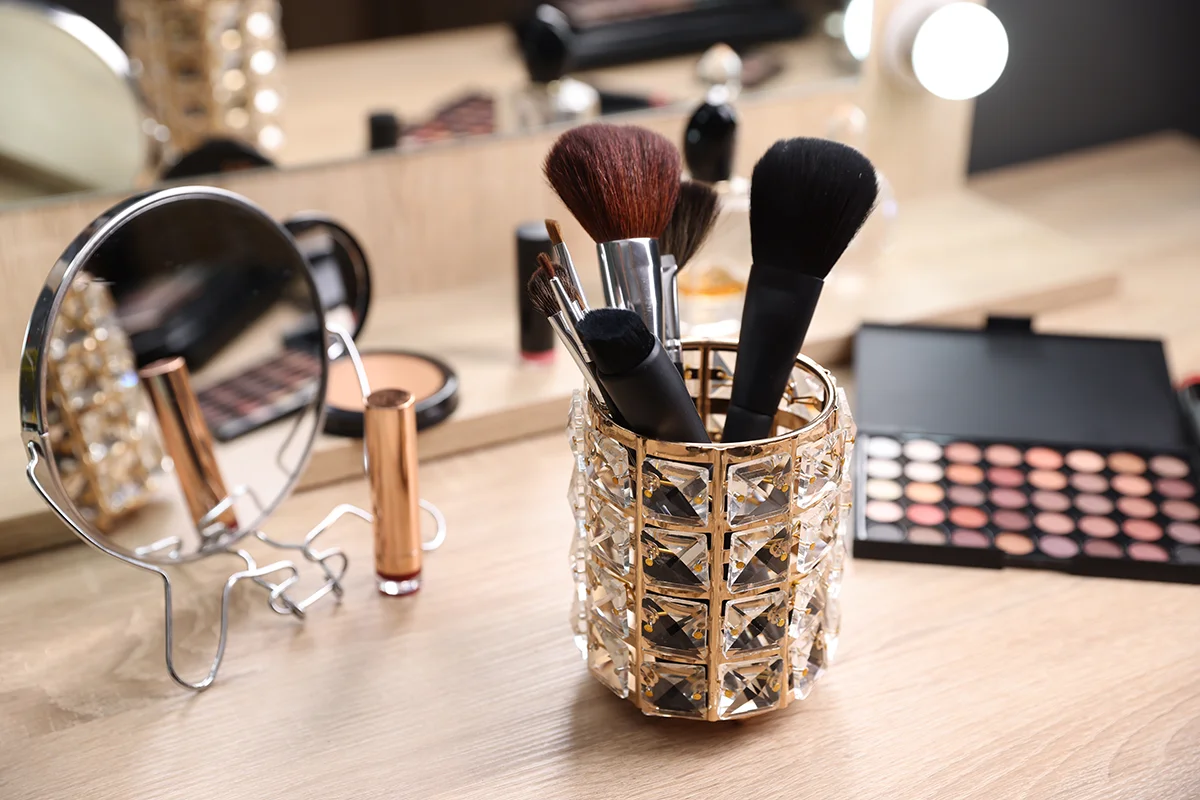
Professional makeup artists do not shop at the drugstore. They invest in high-end brands like MAC, NARS, Charlotte Tilbury, and Bobbi Brown because these products deliver better coverage, last longer, and photograph beautifully.
Airbrush makeup is a perfect example of how technique affects price. Airbrush application creates a flawless, long-lasting finish that looks incredible in photos, but the equipment is expensive and requires specialized training. Artists who offer this service typically charge $50–$150 more than traditional application.
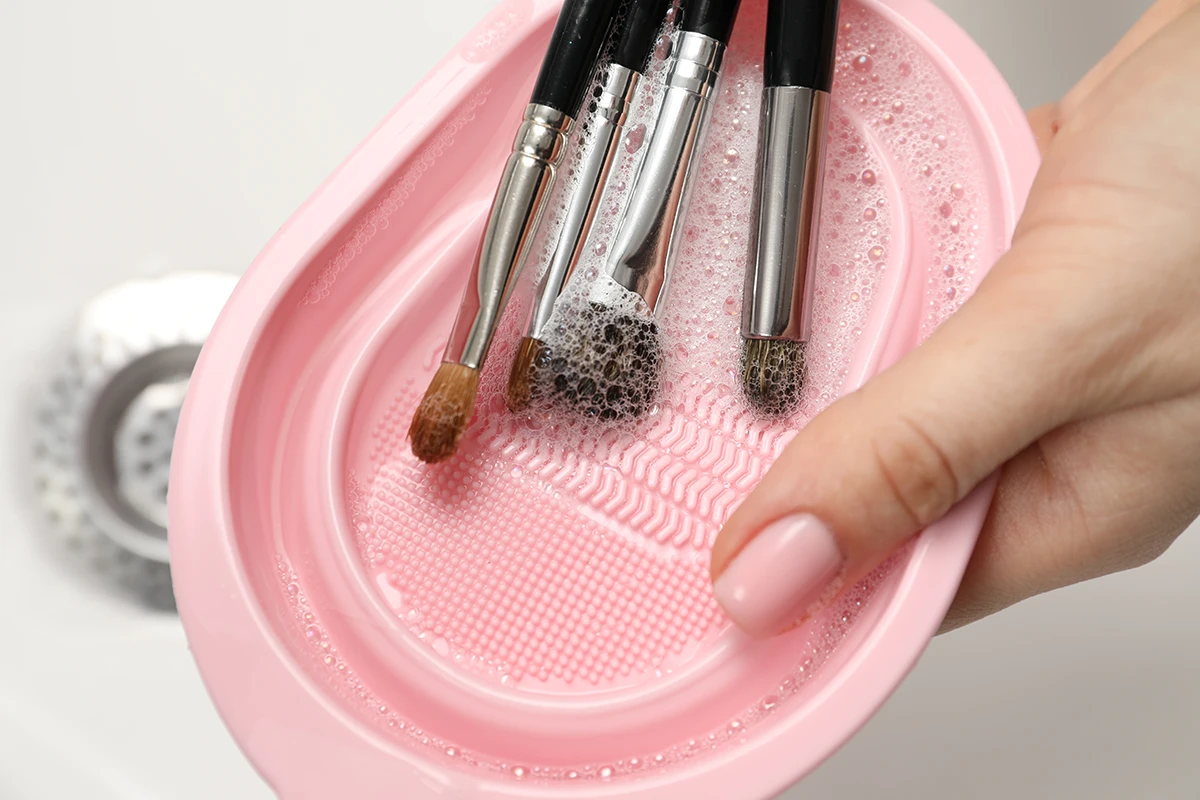
Hygiene and sanitation also factor into costs. Professional artists use disposable applicators, use new brushes on each client, and often provide single-use products for lips. These practices keep you safe and add to their overhead costs.
Quality products justify higher rates because they ensure your makeup stays put through ceremony tears, outdoor heat, and hours of dancing. Cheap makeup might save money upfront, but it can crack, fade, or oxidize by the time you cut the cake.
One of the biggest conveniences of hiring a makeup artist is having them come to you. Getting ready at your venue or hotel means you can relax in comfortable surroundings while someone else handles the work. But that convenience comes with a price.
Travel fees vary based on distance. Some artists include local travel (within 15–20 miles) in their base rate. Beyond that, expect to pay mileage fees, parking charges, or even tolls if your venue is across a bridge or in a city center.
Destination weddings can be even pricier. If your artist needs to fly to your location, you might be responsible for airfare, hotel accommodations, and meals. Some artists have minimum booking requirements for destination work—like requiring you to book makeup for yourself plus at least three bridesmaids.
Multi-location fees can also apply. If your artist needs to do makeup at your hotel in the morning and then drive to the ceremony site for touch-ups, expect an additional charge for that extra time and travel.
The good news? If you are willing to go to the artist's studio for your application, you can often save on travel costs entirely.
Never, ever skip the makeup trial. This is your chance to test products, refine your look, and make sure you and your artist are on the same page.
Trial sessions typically cost $100–$300 when booked separately. Some artists include one trial in their wedding day package price, while others charge separately.
During your trial, you will sit down for a full makeup application while discussing your vision, showing inspiration photos, and testing how products wear on your skin. This is the time to speak up if something does not feel right. Want more dramatic eyes? Less highlighter? A different lip color? Say so now.
Some brides need more than one trial—maybe you are torn between two different looks, or the first trial did not quite hit the mark. Additional trials usually cost the same as the first one, so factor that into your budget if you think you might need a second session.
A good trial is worth every penny because it eliminates stress and uncertainty on your wedding day.
Wedding season runs roughly from May through October, with June and September and Obeing the busiest months. During this time, talented makeup artists are booked solid, and they know it. Supply and demand push wedding makeup artist prices higher when everyone wants the same Saturday in June.
Saturdays are premium days. Some artists charge 10–20% more for Saturday weddings compared to weekdays. Holiday weekends (Memorial Day, Labor Day, Fourth of July) often come with surcharges too.
If your budget is tight, consider these money-saving timing strategies:
Early booking can also save you money. Some artists offer discounts if you book a year or more in advance. Last-minute bookings, on the other hand, might come with rush fees—especially if the artist needs to rearrange their schedule to fit you in.
If you are booking makeup for yourself plus bridesmaids, mothers, and flower girls, group rates can save you serious money.
Here is how pricing typically breaks down:
Many artists offer package deals when you book multiple services. For example, if you book yourself plus four bridesmaids, you might get 10–15% off the total. Some artists require a minimum number of people to travel to your location, so booking your whole party might be necessary anyway.
Ask about group rates upfront. Even if the artist does not advertise packages, they might be willing to negotiate if you are bringing them substantial business.
Where you get married has a huge impact on what you will pay. Wedding makeup artist prices in Manhattan will always be higher than in rural Montana, and that is just reality.
Major metropolitan areas command premium rates because:
Destination wedding locations like Cabo, Charleston, or Aspen also come with inflated prices. These are popular spots where artists know they can charge more because brides have limited options and higher overall budgets.
On the flip side, smaller markets might offer more affordable rates, but you will have fewer artists to choose from. You might need to be flexible about style preferences if there are only two or three qualified bridal makeup artists in your area.
Research average wedding costs in your specific location to set realistic expectations. What seems expensive in one market might be a steal in another.
Many wedding venues keep preferred vendor lists that include recommended makeup artists. These partnerships can work in your favor—or inflate costs.
Preferred vendors are usually vetted by the venue, which means they are reliable and know the space well. They have worked there before, know where the best light is for getting ready photos, and understand the venue's timeline requirements. That familiarity has real value.
However, some venues take kickbacks or referral fees from vendors, which might slightly inflate the artist's rates. The artist builds those costs into their pricing to cover what they pay the venue for being on the list.
Package deals with hair stylists or other beauty vendors can sometimes save money, especially if one company provides both services. But compare bundled pricing against booking hair and makeup separately to make sure you are actually getting a discount.
Independent artists who are not tied to venues or agencies sometimes offer more flexibility and lower rates because they do not have the same overhead costs or commission splits.
If a quote seems too good to be true, it probably is. Rock-bottom wedding makeup artist prices often come with compromises you do not want on your wedding day.
Watch out for these warning signs:
An inexperienced artist might charge less because they are building their portfolio, which could work out fine—or could leave you with makeup that does not photograph well or fades by cocktail hour. Questionable products or poor hygiene practices are even bigger concerns.
A professional artist will have a clear contract, require a deposit (usually 25–50% of the total), and have policies in place for what happens if they get sick or have an emergency. If these things are missing, keep looking.
You do not have to sacrifice quality to stay within budget. Smart strategies can help you get beautiful makeup without overspending.
Try these tips:
During your consultation, ask detailed questions about what is included and what costs extra. Understanding the full picture helps you avoid surprise charges and make informed choices about where to splurge and where to save.
Before you sign anything or put down a deposit, get clear answers to these important questions:
About pricing and services:
About contracts and policies:
About products and techniques:
Getting these answers in writing protects you and ensures everyone is on the same page about expectations and costs.
Understanding wedding makeup artist prices means looking beyond the bottom line. The cheapest option is not always the best value, and the most expensive artist is not necessarily the right fit for you.
Focus on finding someone whose style matches your vision, whose experience gives you confidence, and whose pricing is transparent and fair. When you understand exactly what goes into those rates—from travel fees to product quality to peak season demand—you can make a choice that fits your budget without sacrificing your peace of mind.
Your wedding day makeup should make you feel absolutely beautiful. By asking the right questions, doing your research, and booking an artist you trust, you will walk down the aisle knowing you look exactly the way you hoped—and that is priceless.
Want even more detailed pricing breakdowns and budgeting tips? Check out our Wedding Makeup Artist Cost & Pricing Guide for Brides for more insights that will help you plan your budget with confidence.
If you are planning a wedding in the Columbus area and want a team that combines expertise with a personal touch, we would love to help bring your vision to life. Explore our wedding hair and makeup services in Columbus, Ohio and let us make your big day as stress-free and beautiful as you have always imagined.
What is the average cost of a wedding makeup artist?
Most brides pay between $150 and $300 for their wedding day makeup, though prices range from $75 to $600+ depending on location, experience, and services included.
Should I include a makeup trial in my budget?
Absolutely. Trials typically cost $75–$150 and are essential for testing products and finalizing your look. Some artists include one trial in their wedding package price.
How much should I tip my makeup artist?
The standard tip is 15–20% of the service cost. If your artist went above and beyond or stayed late for touch-ups, consider tipping on the higher end.
When should I book my wedding makeup artist?
Book 6–12 months before your wedding, especially if you are getting married during peak season. Popular artists fill up quickly on Saturdays.
What is the difference between traditional and airbrush makeup?
Airbrush creates a smoother, longer-lasting finish and photographs beautifully, but costs $50–$150 more than traditional application. Both can look stunning—it depends on your preference and skin type.