How to contour an oval face is one of those topics that sounds intimidating at first, but it is actually one of the easiest contouring techniques to learn. Most tutorials make it seem like you need to completely reshape your face, but if you have an oval face shape, you are already working with naturally balanced proportions. That means less correcting and more enhancing.
In this guide, you will learn:
Whether you are brand new to contouring or just want a cleaner, more natural result, this guide will walk you through every step so you can feel confident every time you pick up a contour brush.
An oval face has a few signature features. The forehead is slightly wider than the chin, the cheekbones sit at the widest point of the face, and the overall length is roughly one and a half times the width. The jawline is soft and rounded rather than sharp or square, and the face gently narrows toward the chin without being dramatically pointed.
What makes this face shape special is its natural balance. Unlike round, square, or heart-shaped faces, oval faces do not need much corrective work. There is no need to slim down a wide jaw or shorten a long forehead. Instead, contouring on an oval face is all about adding soft shadows that enhance the cheekbones and temples, giving the face more dimension rather than a different shape entirely. This makes the whole process simpler, faster, and much more forgiving for beginners.
Before you start contouring, it helps to confirm your face shape. Grab a measuring tape and stand in front of a mirror with your hair pulled back.
Measure these four areas:
If your face length is noticeably greater than your cheekbone width, and your cheekbones are the widest measurement while your forehead is slightly wider than your jaw, you likely have an oval face.
A common source of confusion is the difference between oval and round faces. Round faces have similar width and length measurements, while oval faces are clearly longer than wide. Oblong faces are also longer than wide but lack the soft, narrowing jaw that defines oval shapes. If you are still unsure, looking at photos of oval face shapes alongside your own can help.
Choosing the right product makes a big difference, especially when you want a natural finish.
Powder contour is the most beginner-friendly option. It is easy to blend, buildable, and forgiving if you apply too much. It works best for normal to oily skin types and is great for everyday looks.
Cream contour gives a more natural, skin-like finish and blends beautifully with other cream or liquid products. It is ideal for dry or mature skin and works well for a more seamless, lived-in look.
Contour sticks are a quick, low-commitment option that works well for beginners who want something portable and easy to control.
When it comes to shade, choose a contour product that is two to three shades deeper than your natural skin tone and leans cool or neutral. Avoid anything with orange or red tones, which can look muddy rather than like a natural shadow.
For tools, you will need:
Here is exactly how to contour an oval face for soft, natural definition.
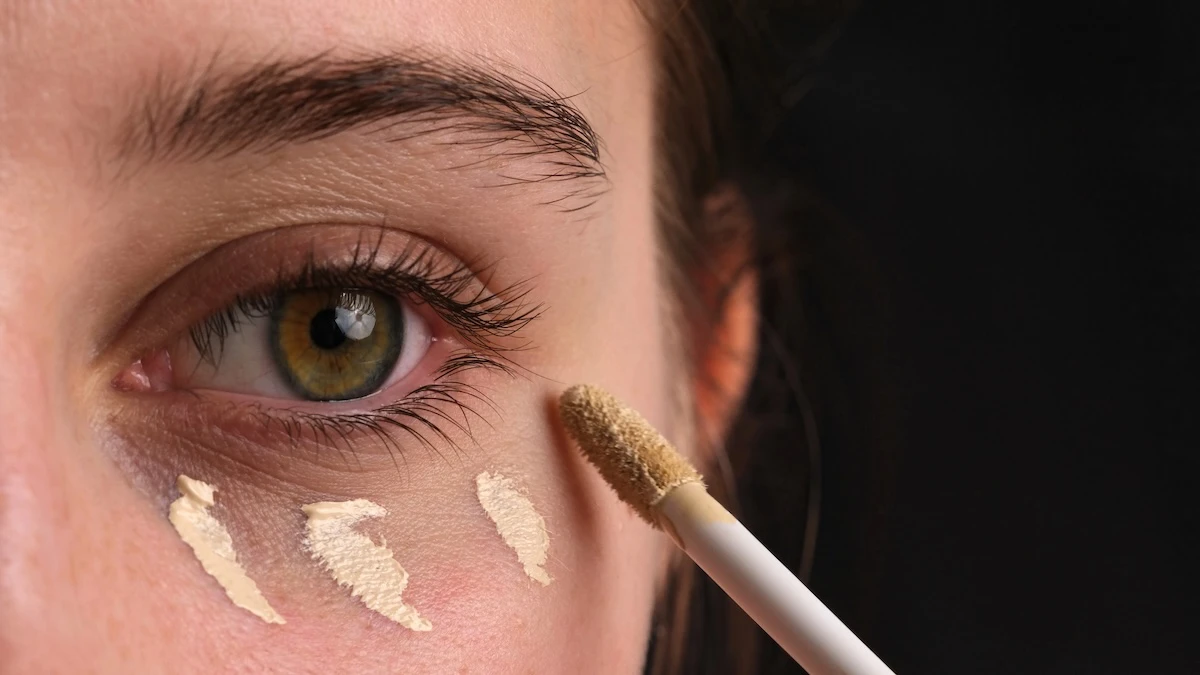
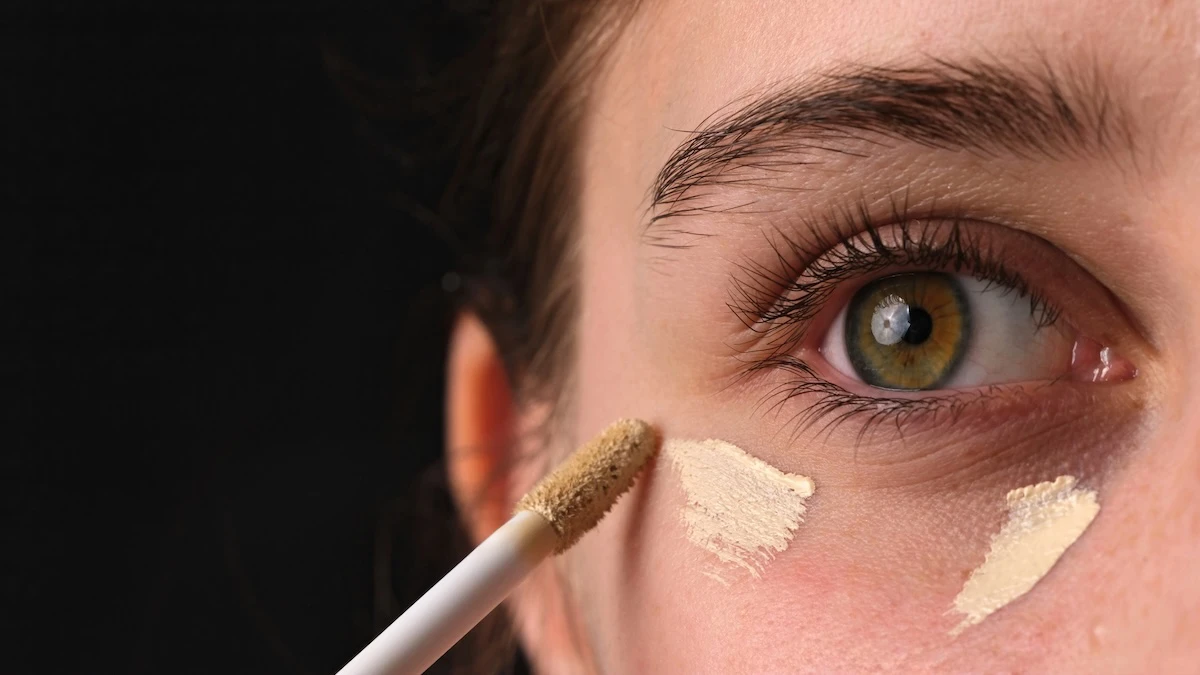
Step 1: Prep your base. Apply your foundation and concealer as usual. Contouring works best on a smooth, even base.
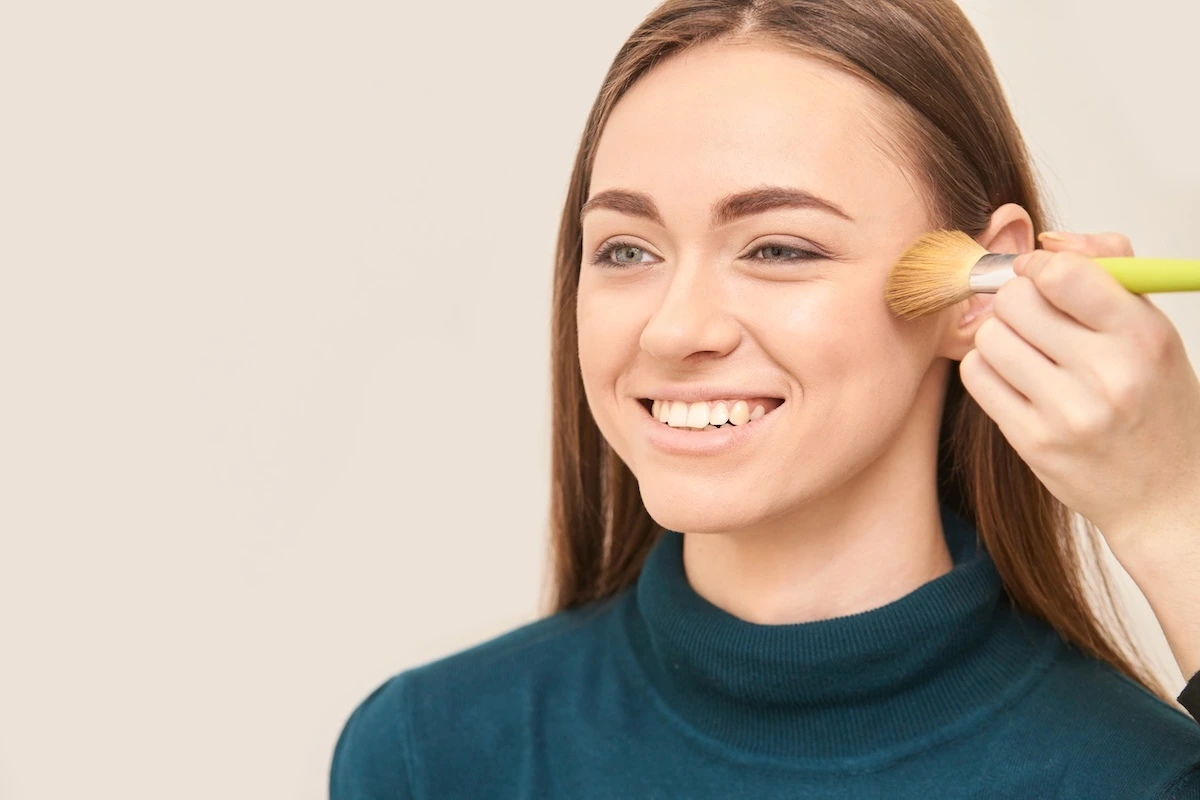
Step 2: Find your cheekbone hollow. Suck in your cheeks slightly and feel for the natural hollow beneath your cheekbone. This is where your contour goes. Start at the ear and sweep inward toward the corner of your mouth, stopping about two-thirds of the way across. Avoid bringing contour too close to the nose, as this can make the face look narrow or shadowy in the wrong way.
Step 3: Contour the temples. Sweep a small amount of product along the hairline at the temples, blending upward and inward. This frames the face and adds depth without dramatically changing the shape.
Step 4: Lightly define the jaw. On an oval face, heavy jaw contouring is not necessary. A very light dusting along the outer edge of the jawline is all you need to add a subtle sculpted effect.
Step 5: Blend, blend, blend. Use your fluffy brush or damp sponge to soften every edge. There should be no visible lines or patches. The goal is a shadow that looks like it could be natural.
Step 6: Set your work. If you used cream products, lightly dust a translucent or matching setting powder over the top to lock everything in place.
Contouring and highlighting work as a pair. Where contour adds shadow and depth, highlight adds light and dimension. On an oval face, the best highlight placements are:
Use a highlight that complements your skin tone. Fair to medium skin looks beautiful with pearl or champagne tones, while deeper skin tones shine with gold or bronze highlights. Apply with a fan brush or your fingertip for the most natural finish.
Good blending is what separates a natural contour from a streaky one. Here are the techniques that work best.
For powder contour, use a fluffy brush in small, circular motions to work the product into the skin and soften the edges. Then buff lightly in an upward direction to avoid dragging color downward.
For cream contour, use a damp beauty sponge with a tapping or stippling motion rather than wiping. Wiping moves the product around instead of blending it in.
Common blending mistakes to avoid:
If you ever feel like your contour is too heavy, press a clean fluffy brush over the area with no product and work it in circular motions to diffuse the intensity.
One of the best things about oval face contouring is how easy it is to scale up or down depending on where you are going.
Everyday natural look: Use a light-handed powder contour on the cheekbone hollow only. Skip the jaw entirely and use a satin-finish highlight. The result should be barely noticeable but add just enough warmth and dimension to look polished.
Daytime event or brunch: Add soft temple contouring and a slightly more pronounced cheekbone, still blended well. A subtle glow highlight on the cheekbones ties it together.
Evening or special occasion: Build up the cheekbone contour slightly more and add a defined jaw dusting. Use a more luminous highlight and consider adding dimension to the brow bone. Everything should still be blended seamlessly, just with more presence.
Even on the most forgiving face shape, there are a few things that can go wrong.
Placing contour too low on the cheeks. This is the most common mistake. If contour goes below the cheekbone hollow and onto the cheek itself, it drags the face down and creates an unnatural shadow.
Choosing a contour shade that is too warm or orange. Warm, orange-toned contour reads as bronzer, not shadow. It looks great for a sunkissed effect but not for sculpting.
Skipping the blend at the hairline. Contour that stops abruptly at the hairline looks painted on. Always feather it into the hair and blend upward.
Using too much product at once. Build contour gradually. It is much easier to add more than to take away what is already there.
Matching contour to bronzer. These are two different products. Bronzer adds warmth and goes on the areas where the sun would naturally hit. Contour adds cool shadow to recessed areas. Using them interchangeably muddies the result.
You do not need to spend a lot to get a great result. Here are a few beginner-friendly picks across price points.
When shopping, look for shades described as cool-toned or taupe rather than warm or bronze.
Knowing how to contour an oval face means you do not have to overthink it. Your face shape already has the balance most contouring techniques are trying to create, so your job is simply to enhance it with soft, well-placed shadow and a touch of highlight.
Start with the cheekbone hollow, keep your hand light, blend thoroughly, and build up gradually. That is really all it takes to go from a flat base to a sculpted, natural-looking finish that photographs beautifully and holds up throughout the day.
Once you have your contour placement down, the next step is pulling your whole look together. Our guide [anchor text for related article] walks you through exactly how to do that, with practical tips that pair perfectly with everything you just learned here.
Ready to take your skills even further with hands-on guidance? The team at 614 Beauty would love to help you practice these techniques in person. Book a session through our makeup and hair classes in Columbus, Ohio and walk away with the confidence to recreate any look, any time you want.